Cooperative Purchasing in K-12: How to Skip the RFP Process Legally
Most vendors selling into K-12 don't know about cooperative purchasing. Districts can buy from pre-vetted vendor contracts without running their own RFP. It's the fastest legal path to a K-12 contract — and almost no one talks about it from the vendor side.
Every K-12 vendor eventually learns about the RFP process: the months-long competitive bidding cycle, the evaluation committee, the scoring rubrics, the protest period. It's slow, it's unpredictable, and winning one contract gets you one district.
What most vendors never learn is that there's a legal alternative that lets districts buy from you without running their own competitive bid at all.
It's called cooperative purchasing, and for the right vendor it's the fastest path to selling into K-12 at scale.
How Cooperative Purchasing Works
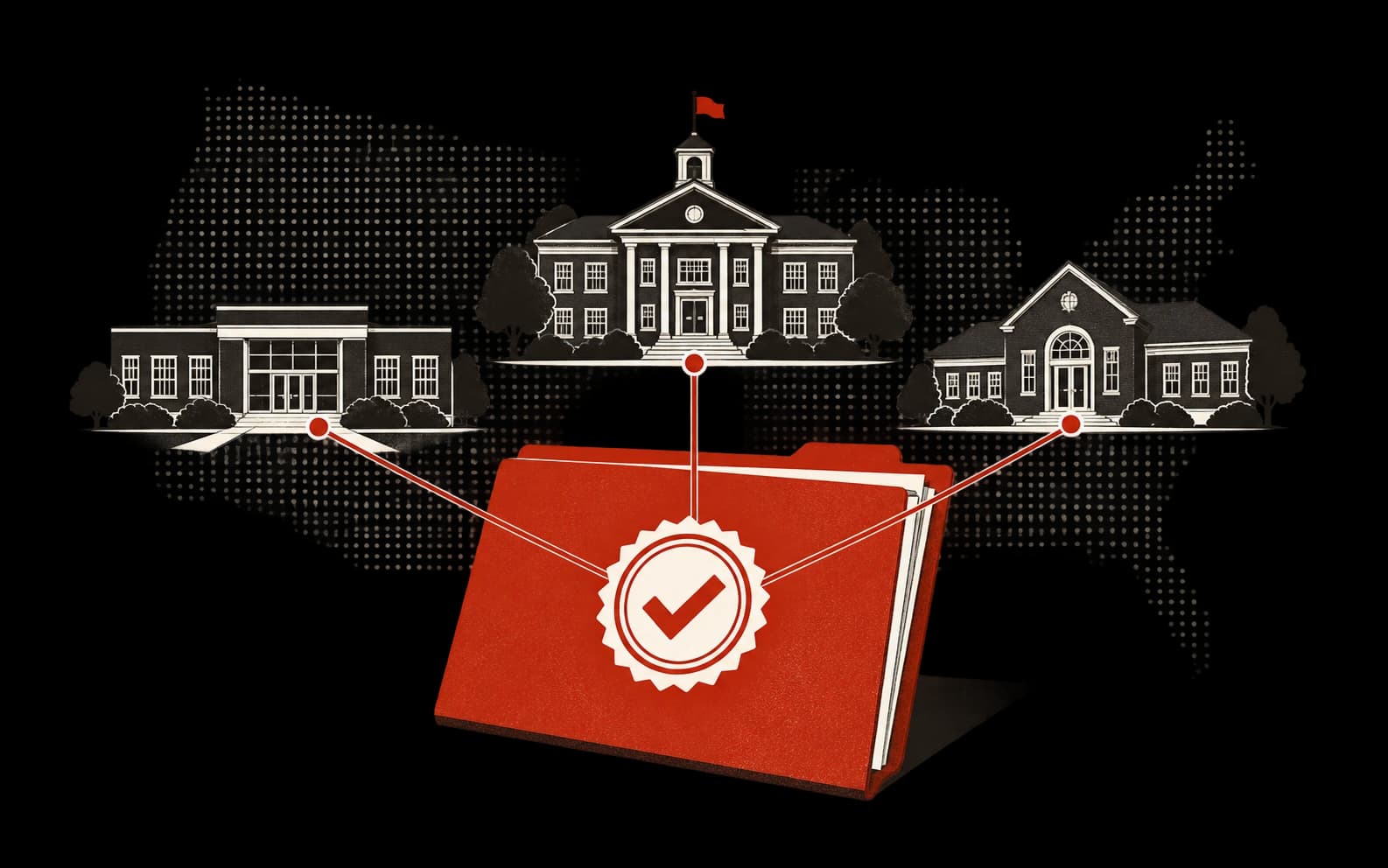
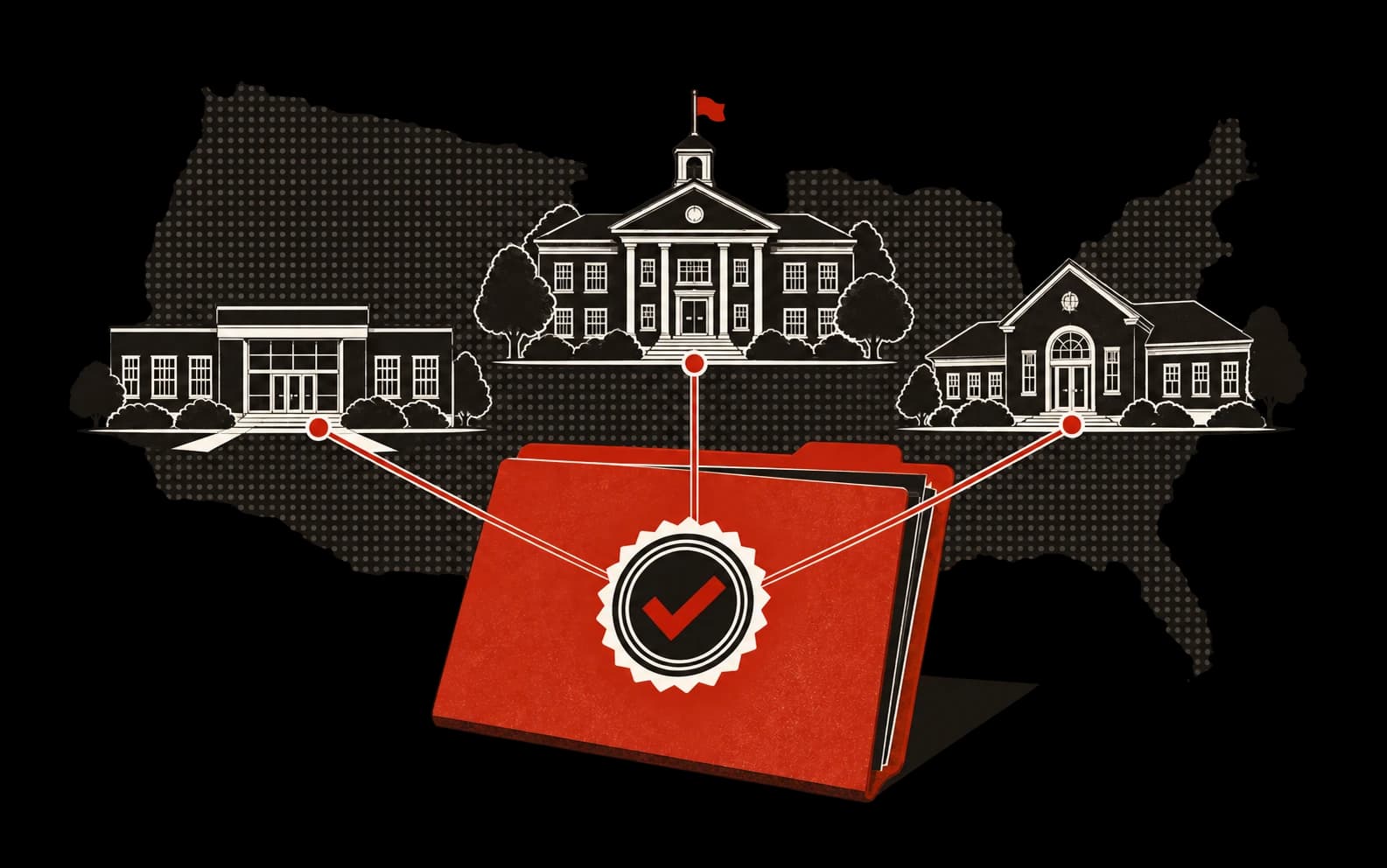
Cooperative purchasing works on a simple principle: a government entity (the "lead agency" or the cooperative itself) runs a competitive procurement process on behalf of its members. Vendors who win that process get a contract. Member agencies — school districts, cities, counties, universities — can then purchase from that contract directly, without conducting their own competitive bid.
From the district's perspective: they've satisfied their competitive bidding requirement because the cooperative already ran the competition. They issue a purchase order, and the transaction is compliant.
From the vendor's perspective: instead of winning one RFP with one district, you've won access to tens of thousands of member agencies who can buy from you with minimal friction.
Almost every state allows cooperative purchasing for public agencies. Most state procurement laws explicitly authorize districts to use cooperative contracts as a permissible alternative to local competitive bidding. A few states impose additional requirements (local preference rules, notification requirements), but cooperative purchasing is legally available to the vast majority of US school districts.
The Major Cooperatives
Sourcewell (formerly NJPA)
Sourcewell is one of the largest and most recognized cooperative purchasing organizations in the country, with over 50,000 member agencies. Originally the National Joint Powers Alliance, it operates as a Minnesota government agency and runs competitive solicitations across hundreds of product and service categories: technology, vehicles, maintenance, food service, professional services, and more.
A Sourcewell contract is recognized in most states. For vendors who want national reach with a single contract vehicle, Sourcewell is often the first cooperative to pursue. Contract terms are typically four years with renewal options. The application process is competitive — Sourcewell evaluates vendor qualifications, pricing, and geographic coverage.
TIPS (The Interlocal Purchasing System)
TIPS is a cooperative purchasing program administered by the Region 8 Education Service Center in Texas. It covers roughly 5,500 member agencies across the US and is particularly strong in Texas and the South. TIPS runs solicitations across a wide range of categories and is known for a more accessible vendor onboarding process relative to some national cooperatives.
For vendors who are particularly focused on Texas or regional expansion, TIPS is often the first cooperative to pursue.
OMNIA Partners (Public Sector)
OMNIA Partners is the largest public sector purchasing cooperative in the country by volume, formed through a merger of National IPA and US Communities. It serves tens of thousands of public agencies and is particularly well-represented in technology, facilities, fleet, and office supplies categories.
OMNIA operates through a "lead agency" model: a public agency runs a competitive solicitation, and OMNIA then offers that contract to its broader membership. Vendors who win contracts with OMNIA lead agencies gain access to the full network.
PEPPM Technology Cooperative
PEPPM (Pennsylvania Educational Purchasing Program for Microcomputers) is a technology-specific cooperative that is particularly strong in Pennsylvania and the Northeast but has national reach. It focuses on technology hardware, software, and services and is a common vehicle for EdTech vendors looking for a compliant contract that emphasizes the education market.
E&I Cooperative Services
E&I is a member-owned cooperative specifically serving education institutions: K-12 districts, colleges, and universities. It's particularly strong in the higher education space but has meaningful K-12 membership. E&I contracts cover technology, furniture, office supplies, lab supplies, food service, and professional services.
For vendors whose products serve both K-12 and higher education, E&I is an efficient way to cover both markets under one contract vehicle.
BuyBoard
BuyBoard is a cooperative purchasing program administered by the Texas Association of School Boards (TASB). It's primarily used in Texas but has expanded its reach. For vendors focused on Texas K-12 specifically, BuyBoard is often the relevant cooperative rather than a national vehicle.
State Cooperative Programs
Most states operate their own cooperative purchasing vehicles through the state Department of Education, General Services Administration, or a statewide procurement office. In California, this includes CMAS (California Multiple Award Schedules) and the California Department of Education's contracts. In New York, OGS (Office of General Services) maintains statewide contracts. In Texas, DIR (Department of Information Resources) runs technology contracts widely used by districts.
State-specific cooperatives matter because districts in a given state are often more comfortable using their own state vehicle than a national cooperative, and some states have preference rules that favor in-state contracts.
NASPO ValuePoint
NASPO ValuePoint operates at the national level as the cooperative purchasing arm of the National Association of State Procurement Officials. Its contracts are run by individual state lead agencies and made available nationally. Strong in technology, software, and professional services.
Getting On a Cooperative Contract
The process for vendors to access a cooperative contract varies by organization, but the general pattern is:
1. Find the right solicitation. Cooperatives publish solicitations (similar to RFPs) on regular cycles by category. Finding a solicitation that matches your product or service category is the first step. Cooperatives typically post open solicitations on their websites and on procurement platforms like Bonfire, Periscope, or their own portals.
2. Respond to the solicitation. This is a competitive process. You're bidding against other vendors in your category. Evaluation criteria typically include pricing, breadth of product line, delivery capability, financial stability, references, and geographic coverage.
3. Negotiate the contract. If selected, you'll negotiate pricing, terms, and the contract structure. Cooperative contracts typically include a percentage fee (often 1–3%) paid to the cooperative on sales, which covers their operating costs.
4. Promote the contract. Winning a cooperative contract doesn't automatically generate sales. You're responsible for marketing it to member agencies — letting districts know the contract exists and that they can use it. Cooperatives provide some support (directories, marketing tools) but the outreach is primarily on the vendor.
5. Report and remit. Cooperative contracts require periodic reporting of sales volume and remittance of the contract fee. This is a compliance obligation that vendors sometimes underestimate.
When Cooperative Purchasing Makes Sense
Cooperative purchasing is particularly powerful for:
Vendors with broad geographic ambitions. A single national cooperative contract can legally serve districts in all 50 states. Building that same coverage through individual district RFPs would take years.
Vendors in categories where districts buy frequently. Maintenance supplies, technology hardware, office products, and vehicle fleet are all categories where districts make regular purchases. A cooperative contract in these categories creates steady transaction volume.
Vendors who want to avoid the RFP risk. Competitive district RFPs are unpredictable. A cooperative contract, once won, is in place for 3–5 years and available to every member agency.
Vendors entering K-12 from adjacent markets. A company that sells to cities, counties, or universities can often use existing cooperative contracts in those markets as a bridge to K-12, since many cooperatives serve multiple public sector segments.
The Limitations
Cooperative purchasing is not available for every product or every district. A few things to know:
Not all categories are covered. Cooperatives have solicitations for many categories, but if your product is niche, there may not be an active solicitation that fits.
Some states restrict cooperative use. A handful of states have requirements that limit or add conditions to cooperative purchasing (local preference laws, in-state contractor requirements, notification requirements before using an out-of-state cooperative). These are manageable but real.
Districts still have to know you exist. A cooperative contract removes the procurement barrier but doesn't create awareness. You still need to reach the right person at each district and explain that a compliant path to buying from you already exists.
Large contracts may still require board approval. A district buying $500,000 in furniture through a Sourcewell contract still needs board approval for that spending level. The cooperative contract satisfies the competitive bidding requirement, but it doesn't eliminate the internal approval process for large purchases.
Bellwork tracks which districts are in active procurement cycles, which have recent grant funding to spend, and who the right contact is for each department. Knowing a district has budget and a buying window is how you prioritize which cooperative members to call first. Start building your pipeline at Bellwork.