The Bellwork blog.
State markets, AI grants, RFP activity, and how to work K-12 like a pro.
Featured post
How to Find K-12 Leads
A practical guide to finding K-12 leads: build a district list, identify the right school district decision-makers, add buying signals, and prioritize accounts before outreach.
Latest posts
Latest
K-12 Opportunities Monitoring: Catching School District Sales Opportunities Before the Window Closes
K-12 buying windows open on triggers — board votes, new laws, funding, leadership changes. How opportunities monitoring turns them into deals you can work.
Is Your Website Built for K-12 Buyers?
K-12 buyers look for proof, compliance, funding fit, implementation clarity, and role-specific messaging. Use this checklist to make your EdTech website easier for school districts to trust.


How to Build Relationships with School District Buyers
K-12 sales are relationship-driven, but relationships need timing and context. Learn how to build trust with school district buyers before the RFP appears.
K-12 Lead Generation for EdTech Sellers
K-12 lead generation is not just buying school email lists. Learn how to build a school district funnel around fit, contacts, buying signals, timing, and relationship nurture.
School District Contact Database: What to Look For
A school district contact database should include more than superintendent emails. Learn what EdTech sellers need: buyer roles, verified contact routes, district context, and buying signals.
How to Find K-12 Leads with AI
AI can help find and prioritize K-12 leads, but only when it is connected to real school district data. Here is the workflow for building lists, scoring accounts, and drafting outreach.
AI-Ready Districts: How to Find Your Best EdTech Buyers
Not every school district is ready to buy AI tools. The ones that are have left a trail of observable signals. Here's how to identify them before your competition does.
Cooperative Purchasing in K-12: How to Skip the RFP Process Legally
Most vendors selling into K-12 don't know about cooperative purchasing. Districts can buy from pre-vetted vendor contracts without running their own RFP. It's the fastest legal path to a K-12 contract — and almost no one talks about it from the vendor side.
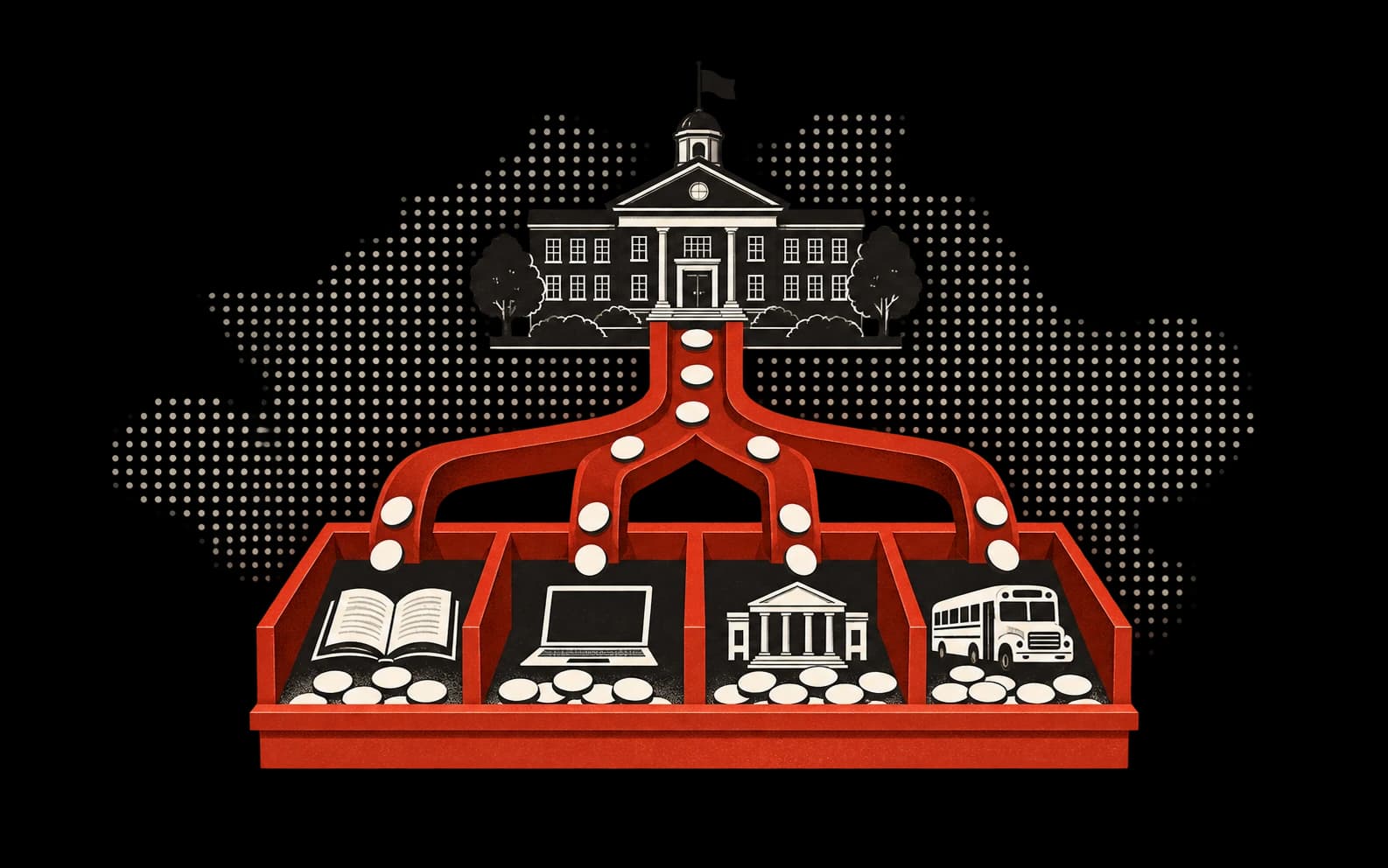
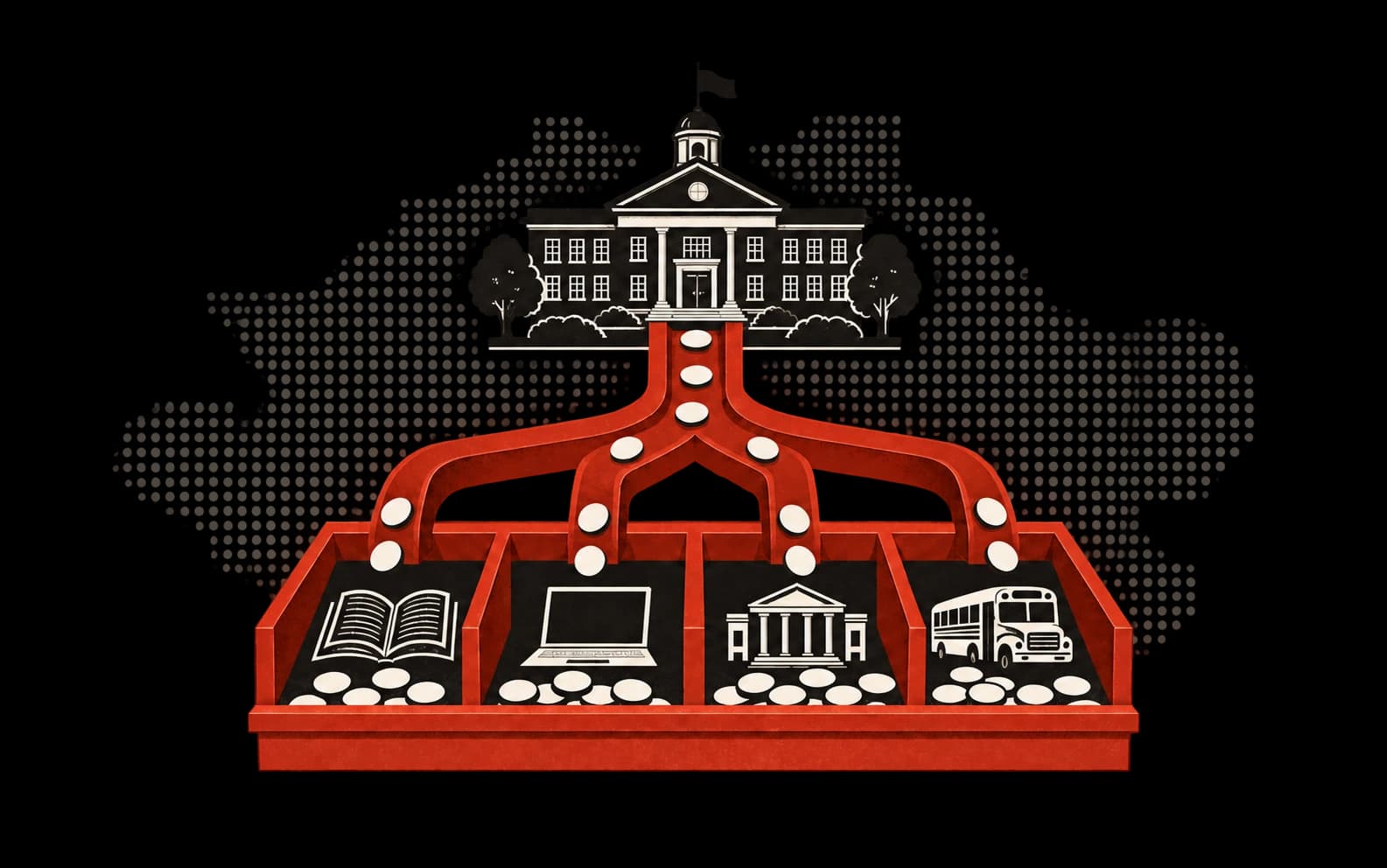
How School District Budgets Work (And How to Sell Into Them)
Most EdTech sellers treat K-12 budget as a single thing. It isn't. Districts have four or five separate funding streams, each with different rules, different buyers, and different timing. Here's how to map your product to the right one.
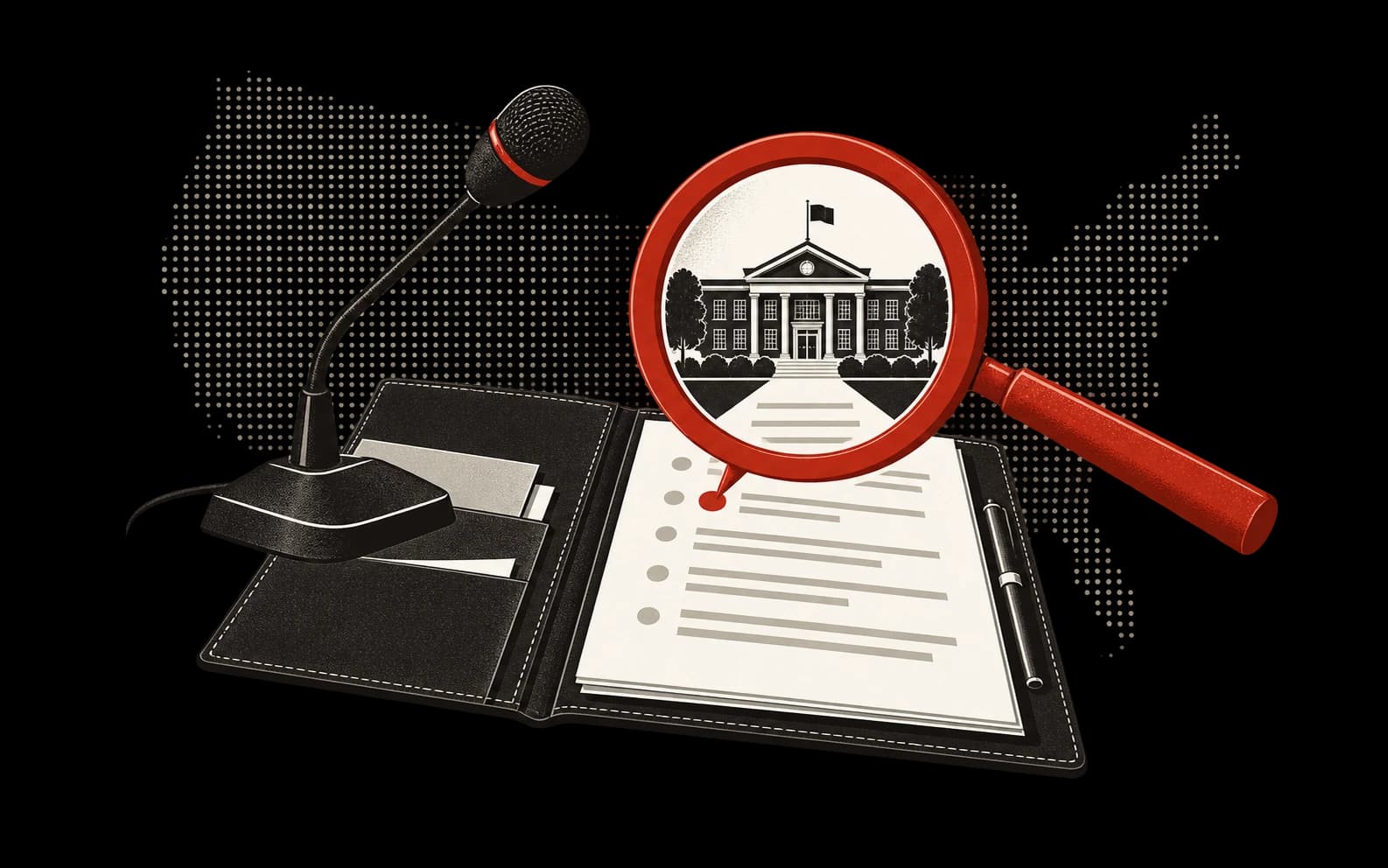
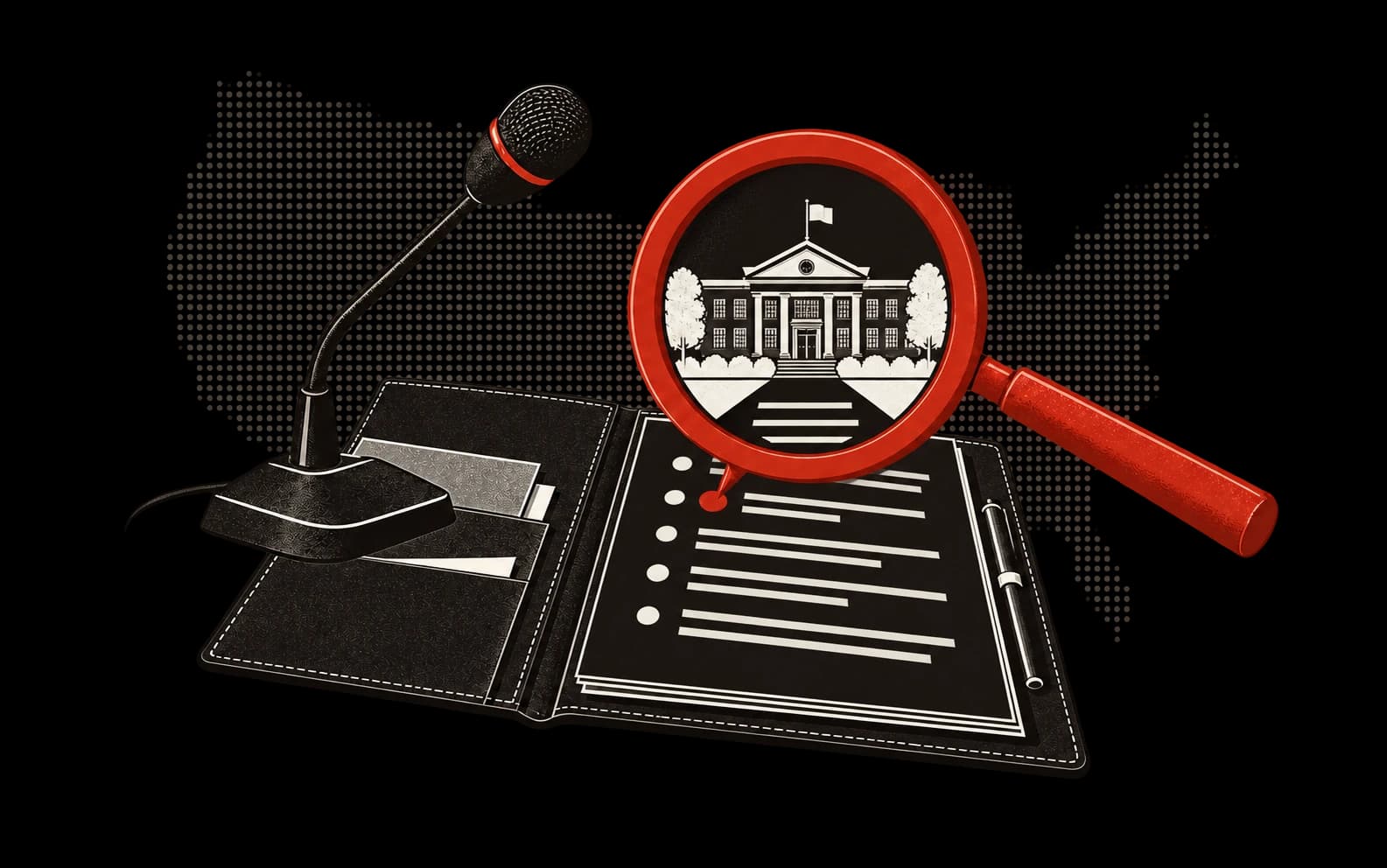
How to Read a School Board Meeting (A Vendor's Guide to Free Intelligence)
School board meetings are public record. Agendas, minutes, and board packets are available to anyone — and they contain more buying signal than any paid database. Here's how to actually use them.
What Are K-12 Buying Signals? A Guide for EdTech Sellers
Timing kills more EdTech deals than product ever does. Here's how to read K-12 buying signals and reach districts when they're actually ready to move.


Every K-12 Grant EdTech Sellers Should Know (A Complete Guide)
There are more than a dozen federal grant programs that can pay for EdTech. Most sellers know Title I and E-Rate. This guide covers all of them — including the obscure ones your competitors have never heard of.
K-12 EdTech Market in 2026: Where Districts Are Spending
The K-12 EdTech market is restructuring after the ESSER cliff. Here's where district spending is actually going in 2026, which categories are growing, and where the real opportunity is for new vendors.
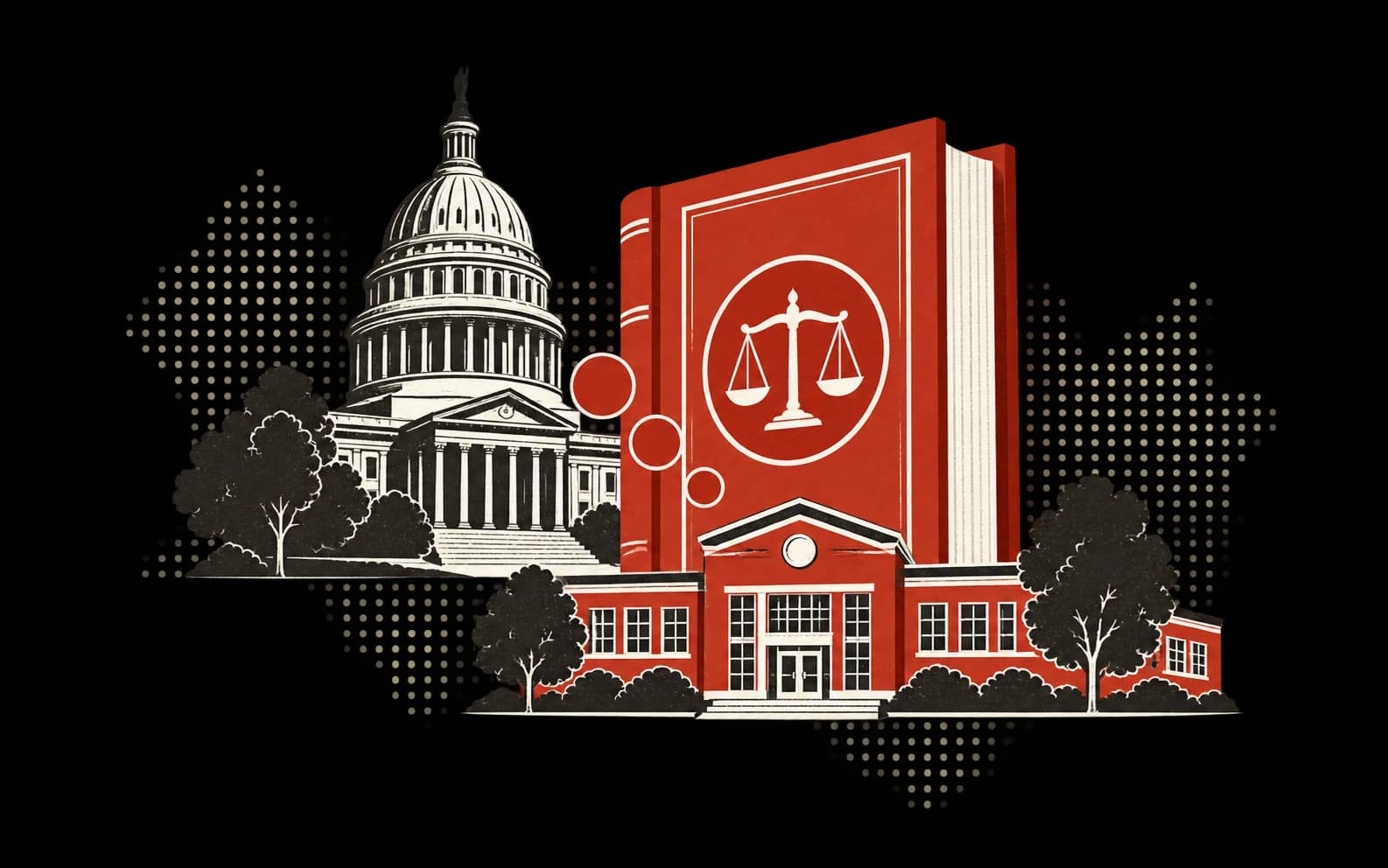
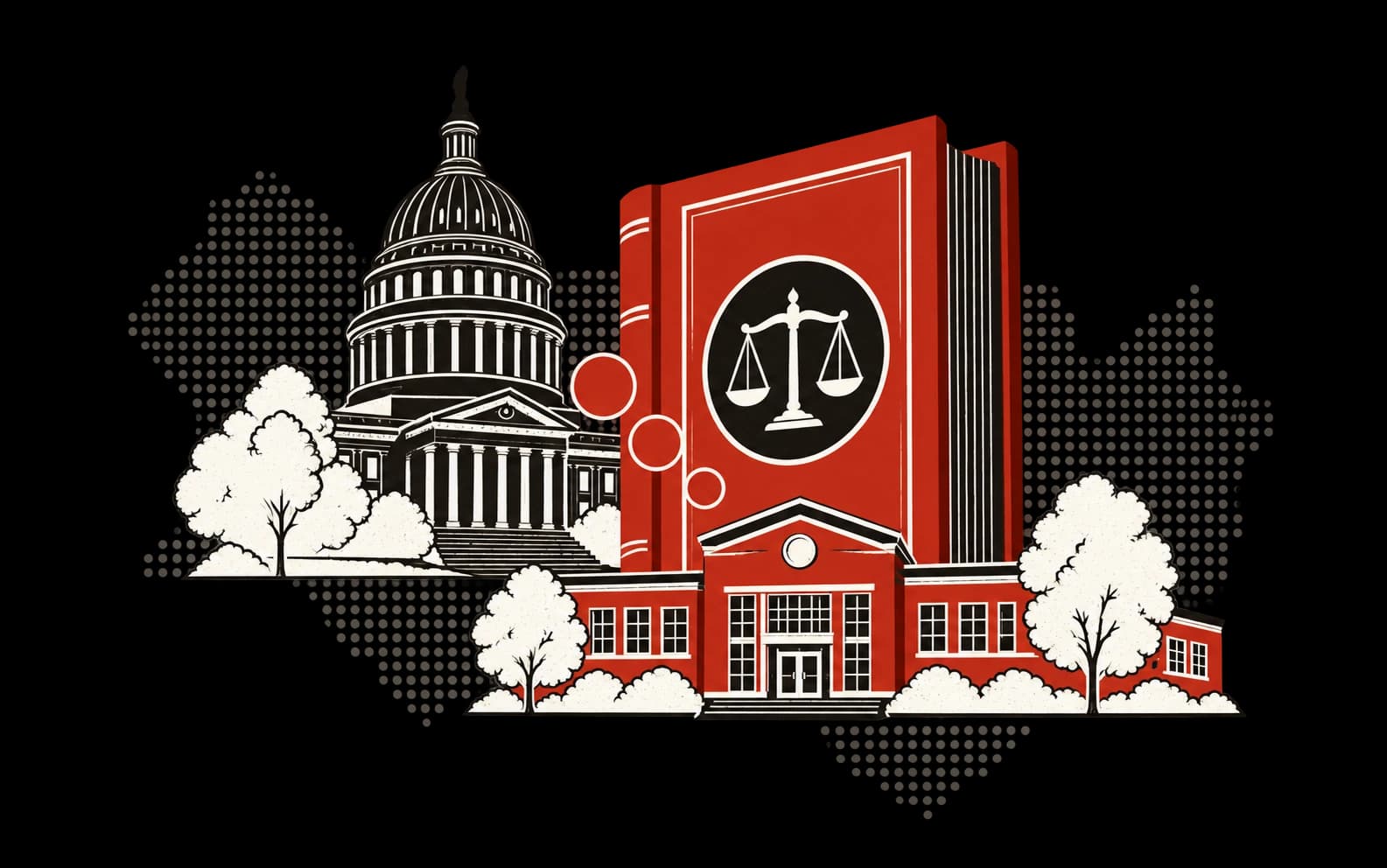
K-12 Education Legislation in 2026: What EdTech Sellers Need to Know
State legislation creates mandates. Mandates create budgets. Budgets create buyers. EdTech sellers who track legislative activity find opportunities months before they show up in RFPs. Here's the legislative landscape that matters right now.
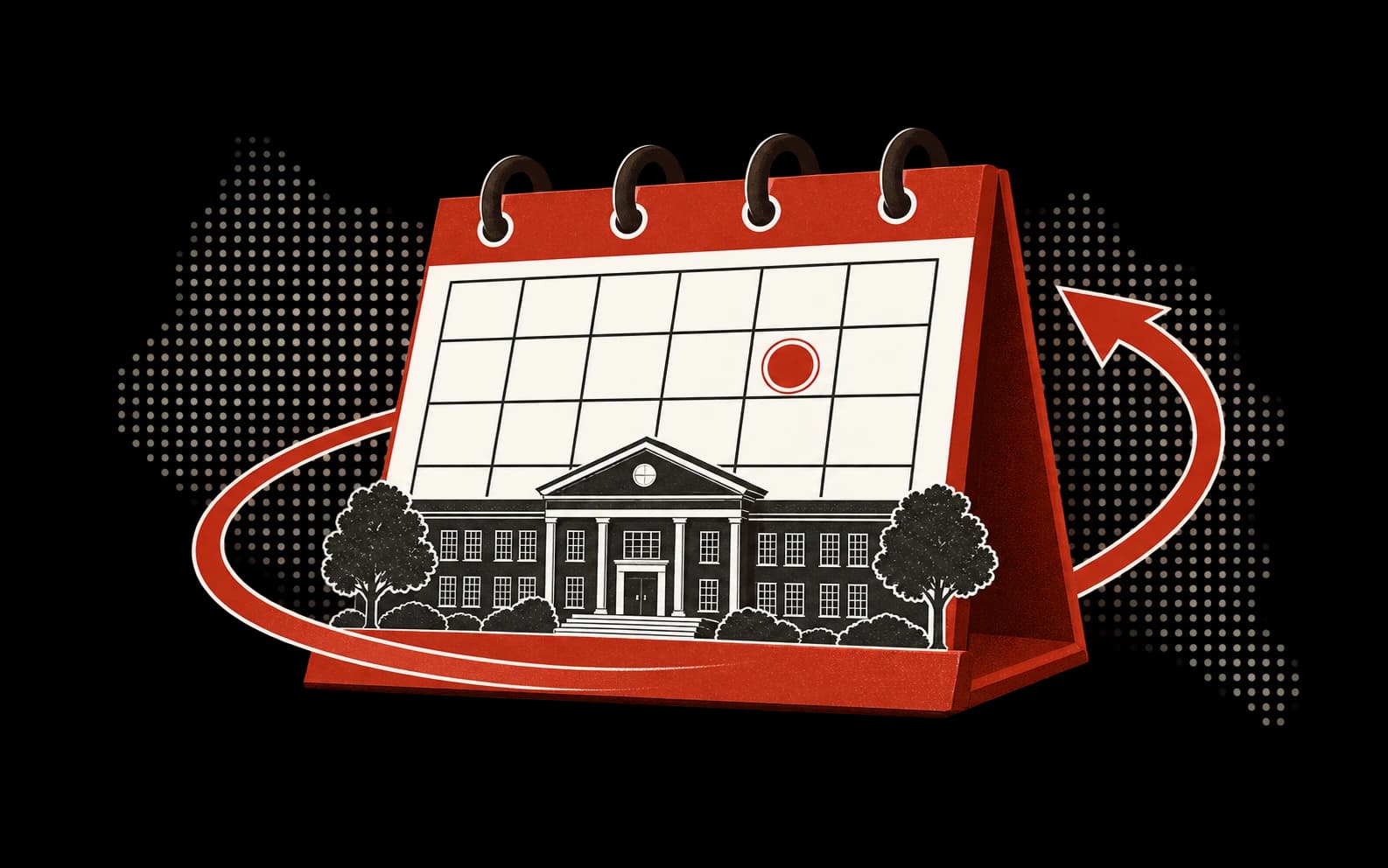
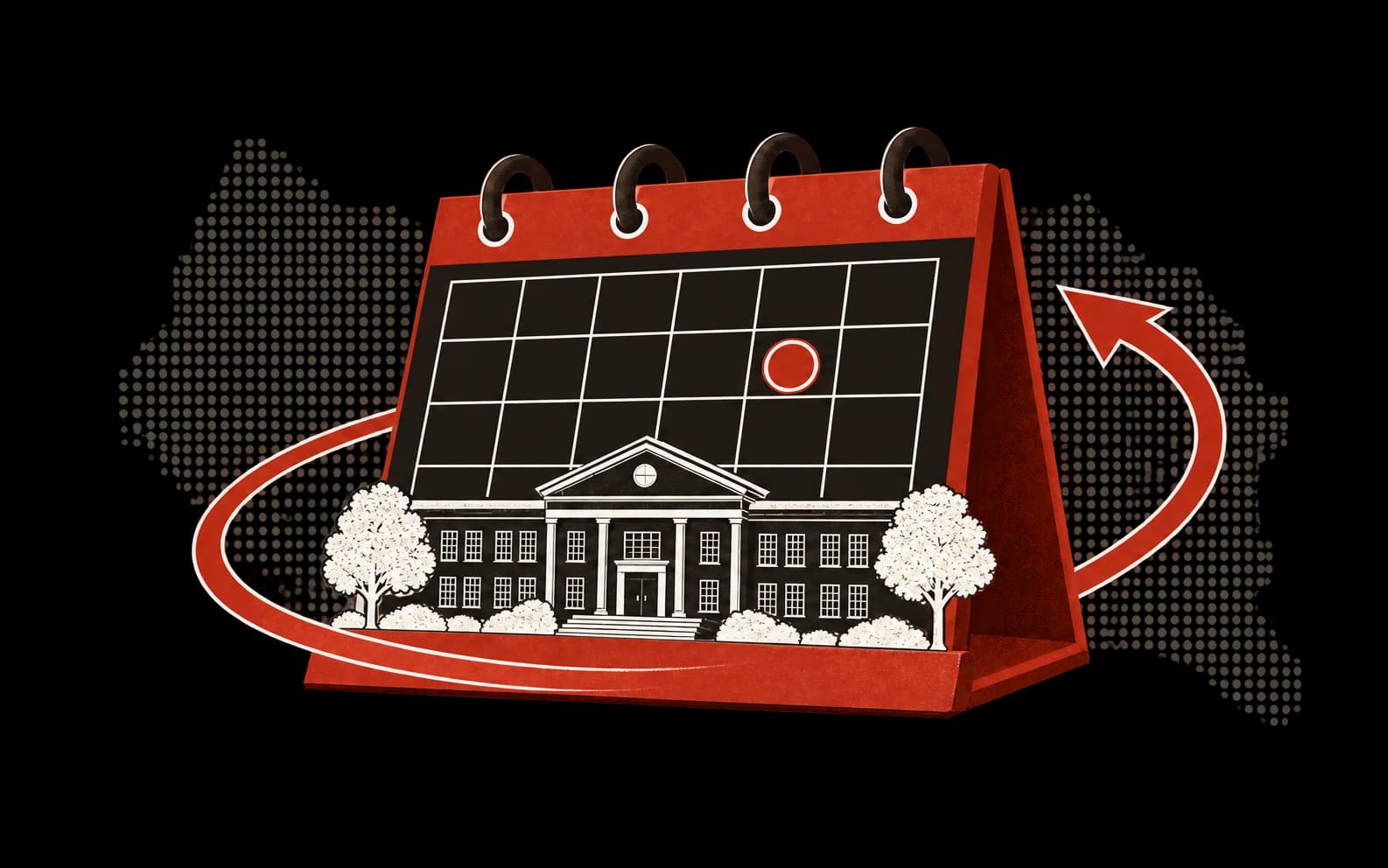
The K-12 Procurement Calendar: When School Districts Actually Buy
School districts buy on a predictable schedule most EdTech sellers have never mapped. Here's the full procurement calendar, month by month, so you can reach districts when budget is moving.
The K-12 RFP Process: A Vendor's Complete Guide
K-12 RFPs work differently than private sector procurement. The timelines are longer, the evaluation criteria are public, and the vendors who win are rarely the ones who showed up when the RFP dropped. Here's how the process actually works.
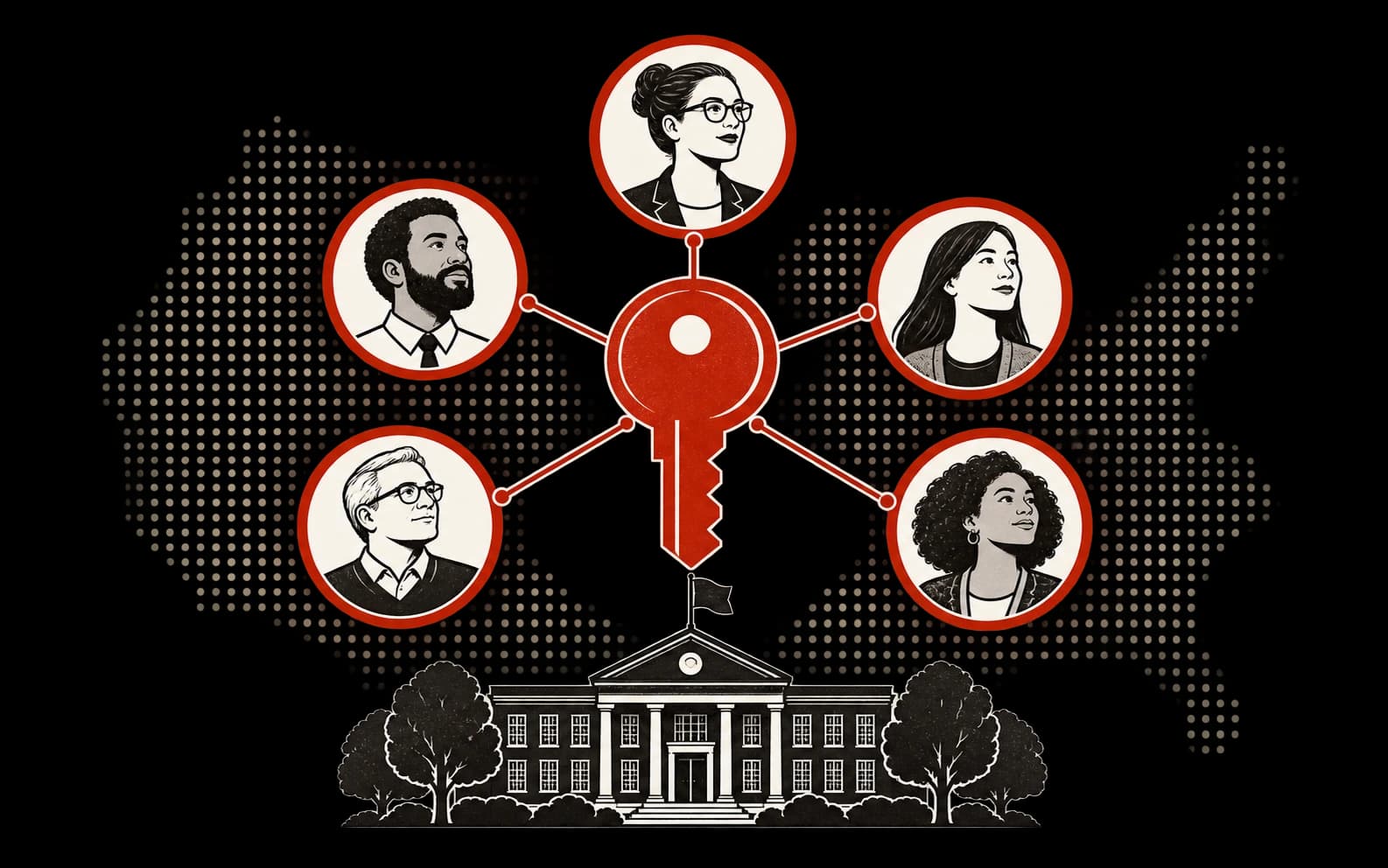
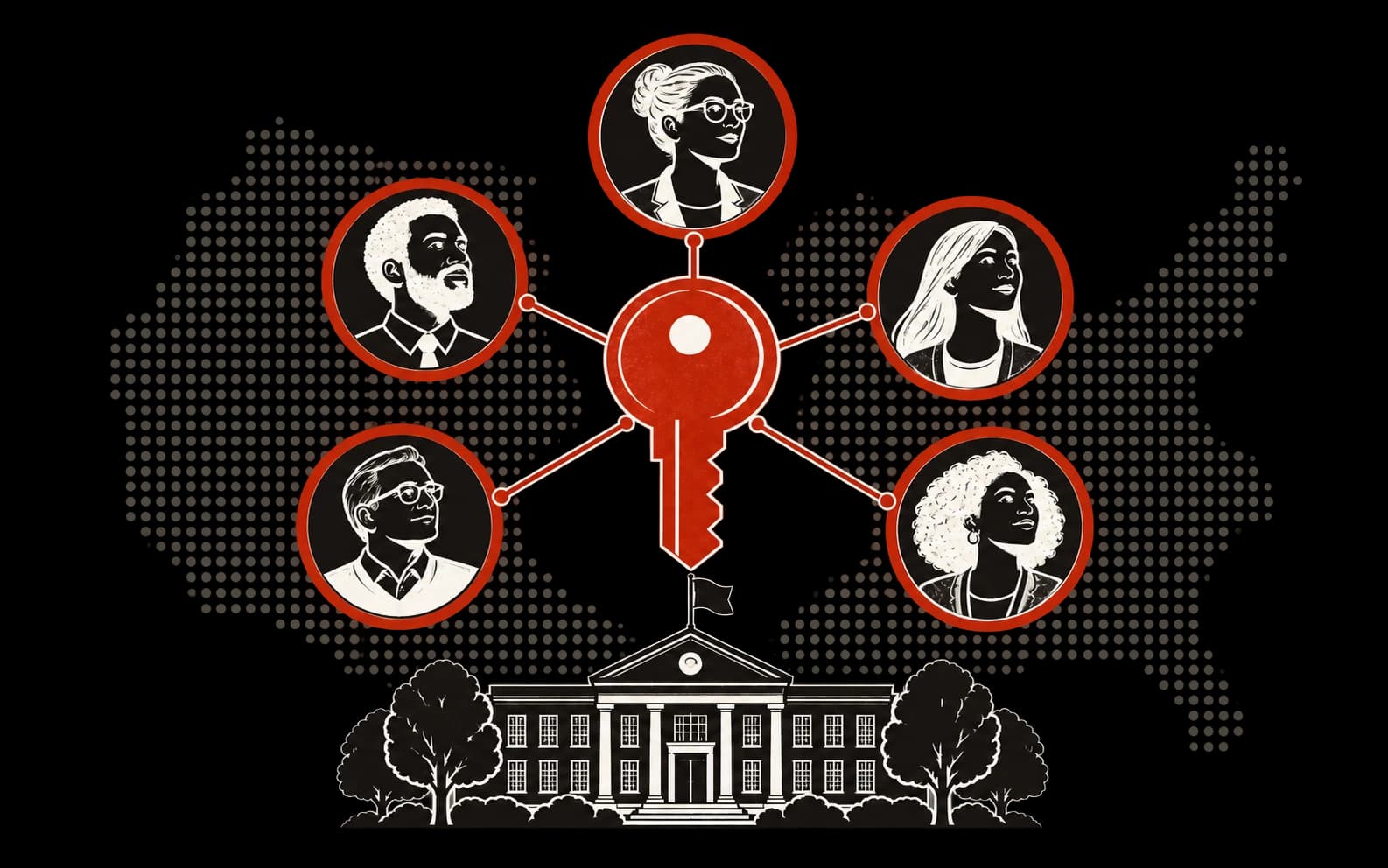
Who Actually Controls the Budget in K-12: A Role-by-Role Breakdown
Every K-12 sale fails or succeeds based on finding the right person. The decision-maker for a food service contract is not the same as for HR software or construction. Here's the full stakeholder map.
Meet Bellwork
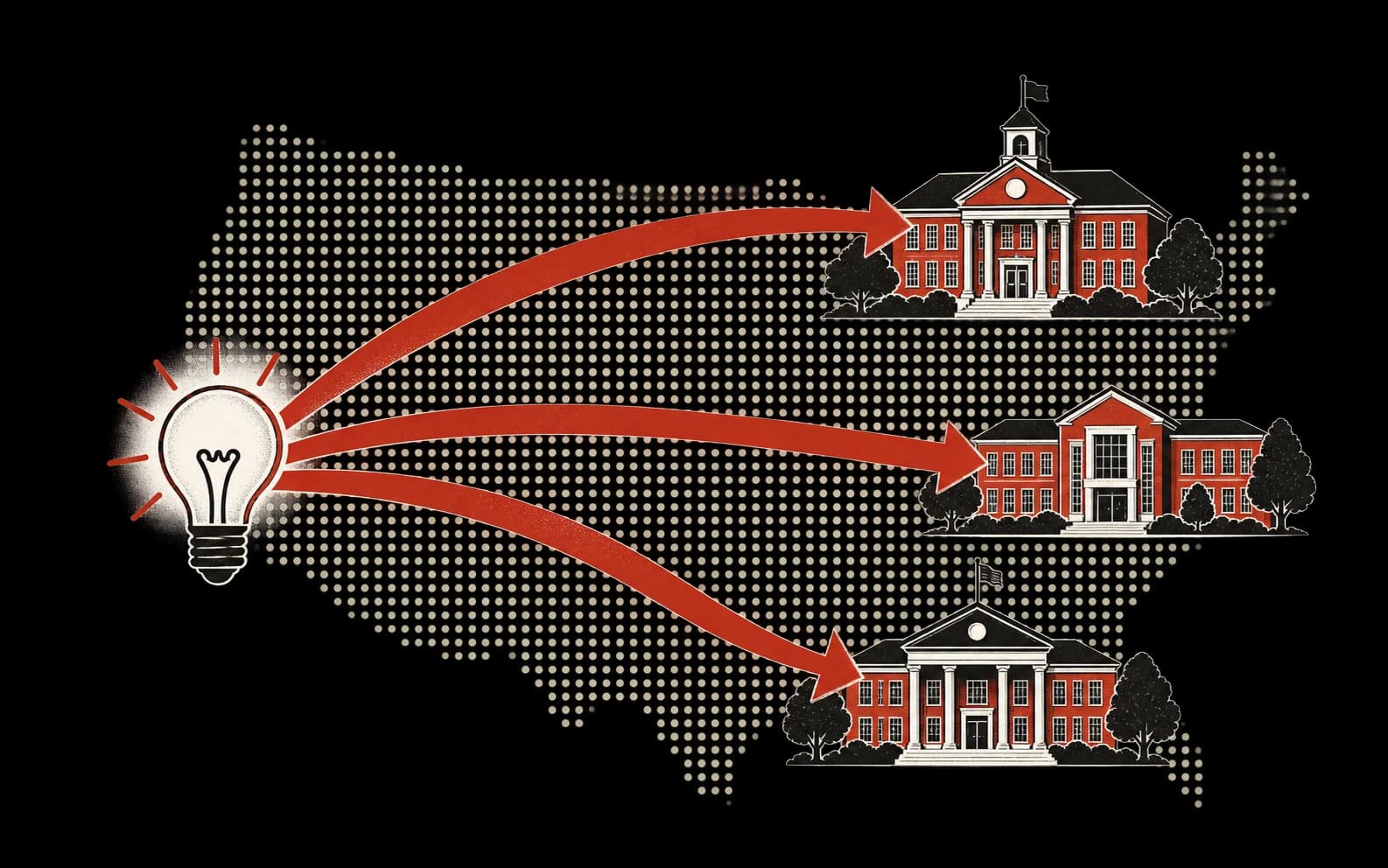
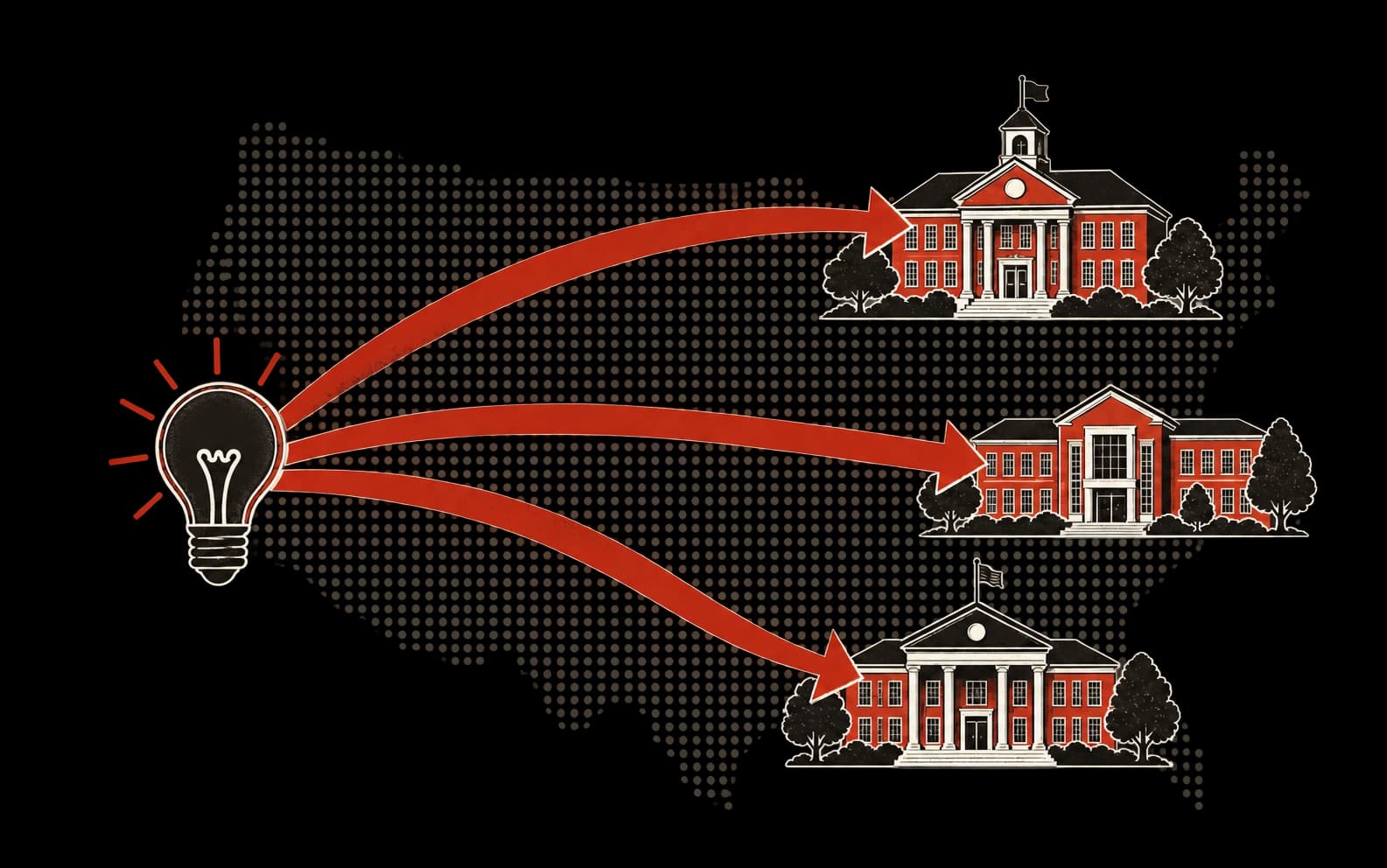
Ed-tech's bottleneck isn't innovation. It's distribution. Incumbents own the channel, public data is being defunded, and great products can't find their way in. Here's why Bellwork exists.