How to Read a School Board Meeting (A Vendor's Guide to Free Intelligence)
School board meetings are public record. Agendas, minutes, and board packets are available to anyone — and they contain more buying signal than any paid database. Here's how to actually use them.
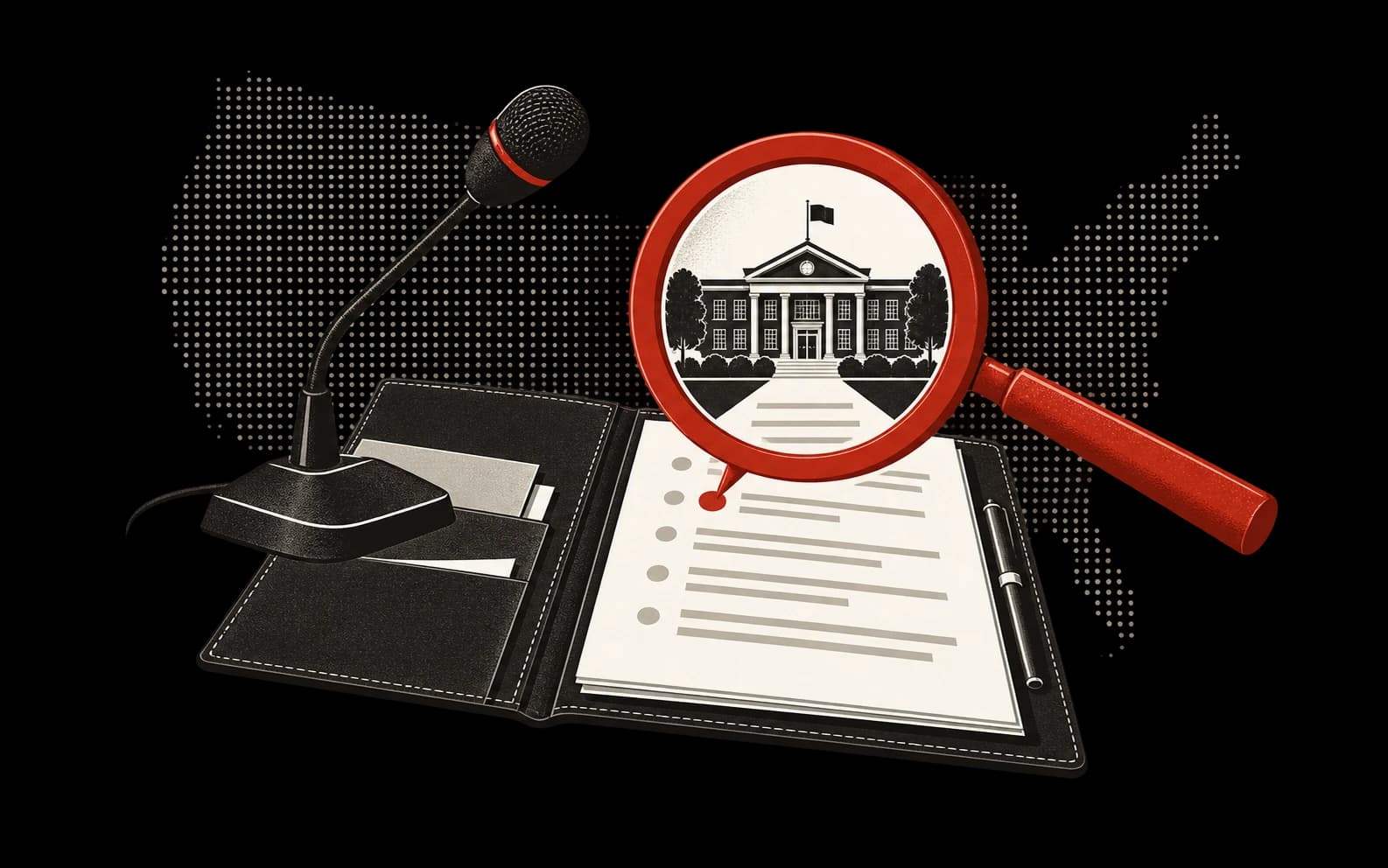

Every K-12 vendor is trying to figure out which districts are ready to buy and what they're thinking about. Most of them are guessing. Almost none of them are reading board meeting minutes.
School board meetings are public under open meetings laws in every state. Agendas are published before the meeting. Minutes are published after. Board packets — the full set of supporting documents — are often posted online and contain budget approvals, vendor contracts, strategic plan updates, and policy votes that directly reveal a district's priorities and purchasing activity.
This is free intelligence, available to anyone with a browser and 20 minutes. Almost no vendor uses it systematically.
What's Actually in a Board Meeting
Board meetings follow a predictable structure, and each section contains different types of useful information.
The agenda. Published before the meeting, typically 72 hours in advance under state open meetings requirements. The agenda tells you everything that will be discussed, including consent agenda items, action items, presentations, and executive session topics. Reading the agenda before a meeting is how you know what decisions are coming.
The board packet. Most districts post supporting documents along with the agenda. Board packets routinely include contract approvals with vendor names and dollar amounts, budget amendments, department reports, program evaluations, and strategic plan progress updates. The board packet is where the real information lives.
The consent agenda. Routine and non-controversial items grouped into a single vote. The consent agenda often contains contract renewals, routine purchases, grant acceptance items, and personnel actions. Don't skip it — vendor contract renewals are frequently buried in consent agenda attachments.
Action items. Individually voted items that require deliberation. Major contracts, policy adoptions, budget approvals, and new program launches are action items. A district voting to approve a new curriculum adoption or a technology initiative is signaling a purchasing direction in real time.
Presentations and reports. Department heads often present to the board on topics related to their area. A technology director presenting on AI readiness. A curriculum director presenting a science of reading implementation plan. A finance director presenting a budget forecast. These presentations telegraph what departments are working on and where they're heading.
Executive session. Closed to the public for personnel matters, pending litigation, and real estate negotiations. You'll see "Executive Session" on the agenda but no detail. Not useful for vendor intelligence.
What to Look For
Vendor Contract Approvals
Every contract above the district's approval threshold goes to the board for a vote. Most board packets include the contract summary, the vendor name, and the dollar amount. Reading these tells you:
- Which vendors the district is currently using
- When contracts are set to expire (most contract approvals list the term)
- How much the district spends in each category
- Whether your competitor just signed a new 3-year deal or whether a renewal is coming up
A district that approved a 3-year contract with a competitor 18 months ago has roughly 18 months left on that term. You have 18 months to build a relationship and be positioned for the renewal conversation.
Budget Amendments
Budget amendments during the year reveal where unexpected money is coming from and where it's going. A budget amendment to accept a state AI readiness grant and appropriate the funds tells you the district just received money with a specific mandate. That's a buying signal with a timeline.
Technology Strategic Plans
Technology directors often bring multi-year strategic plans to the board for approval. These documents contain explicit statements about what the district plans to buy, when, and why. A technology strategic plan that lists "AI-assisted instruction tools" as a Year 2 initiative is telling you exactly what they're going to be in market for.
Curriculum Adoption Votes
Curriculum adoptions are major decisions that go to the board. A district voting to adopt a new reading curriculum, a new math program, or a new assessment framework is simultaneously creating demand for professional development, implementation support, and adjacent tools.
Grant Acceptances
Grants accepted by the board represent real money that just entered the district. A board item approving the acceptance of a $200,000 state innovation grant tells you the district has new funds, a program mandate, and an obligation timeline. These items are often on the consent agenda and easy to miss.
Leadership Transitions
Superintendent hiring, executive staff appointments, and principal assignments all go through the board. A district vote to hire a new superintendent is one of the highest-value buying signals in K-12, and it's on the board agenda weeks before it's in any news article.
How to Find Board Meetings
District websites. Most districts post board meeting agendas and minutes on their website, typically under a "Board of Education" or "School Board" section. Quality varies significantly — some districts post full packets, others only summaries.
BoardDocs. A widely used board management platform that publishes meeting materials online. You can search BoardDocs directly at boarddocs.com and filter by state. Many districts publish their full board packets, including contract attachments, on BoardDocs.
e-BoardSolutions and Diligent Boards. Other common board management platforms used by districts. Similar to BoardDocs in terms of public document publishing.
State education agency websites. Some state departments of education maintain databases of board meeting records. Ohio, Texas, and California have particularly robust state-level resources.
Public records requests. If a district doesn't publish its board packets online, a public records request (sometimes called a FOIA request at the state level) will produce them. Most states require responses within 5–10 business days.
Building a Systematic Practice
Reading board minutes for one district is useful. Reading them systematically across your target market is a meaningful information advantage.
A practical workflow: identify your top 50 target districts. Check their board meeting schedules (most districts post calendars). Set up Google Alerts for the district name plus "board meeting" to catch posted agendas. Spend 15 minutes reviewing the agenda and any contract attachments before each monthly meeting.
Over the course of a quarter, you'll know which districts are renewing vendor contracts in your category, which have accepted grants relevant to your product, which are in the process of strategic planning, and which just hired a new superintendent. That's a fundamentally different prospecting position than working from a static contact list.
The barrier is that doing this across 50+ districts manually is time-consuming. It's the kind of signal that rewards systematic data collection over spot research, which is exactly why tools that aggregate it create real value for sellers.
Bellwork tracks board meeting signals — grant acceptances, technology approvals, leadership transitions, and curriculum adoptions — across school districts nationwide, layered onto contact data for the right person at each district. Start building your pipeline at Bellwork.