K-12 Opportunities Monitoring: Catching School District Sales Opportunities Before the Window Closes
K-12 buying windows open on triggers — board votes, new laws, funding, leadership changes. How opportunities monitoring turns them into deals you can work.

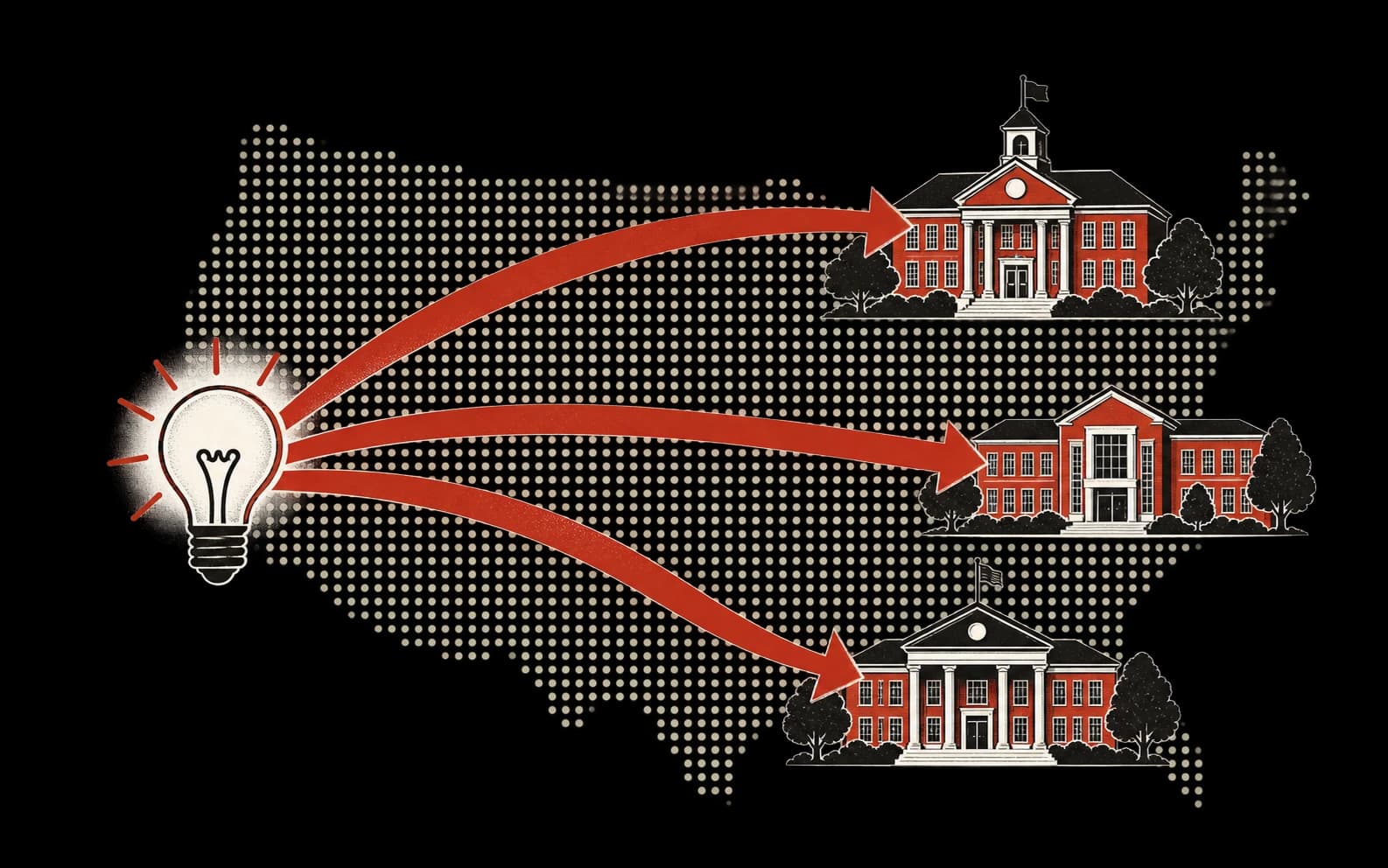
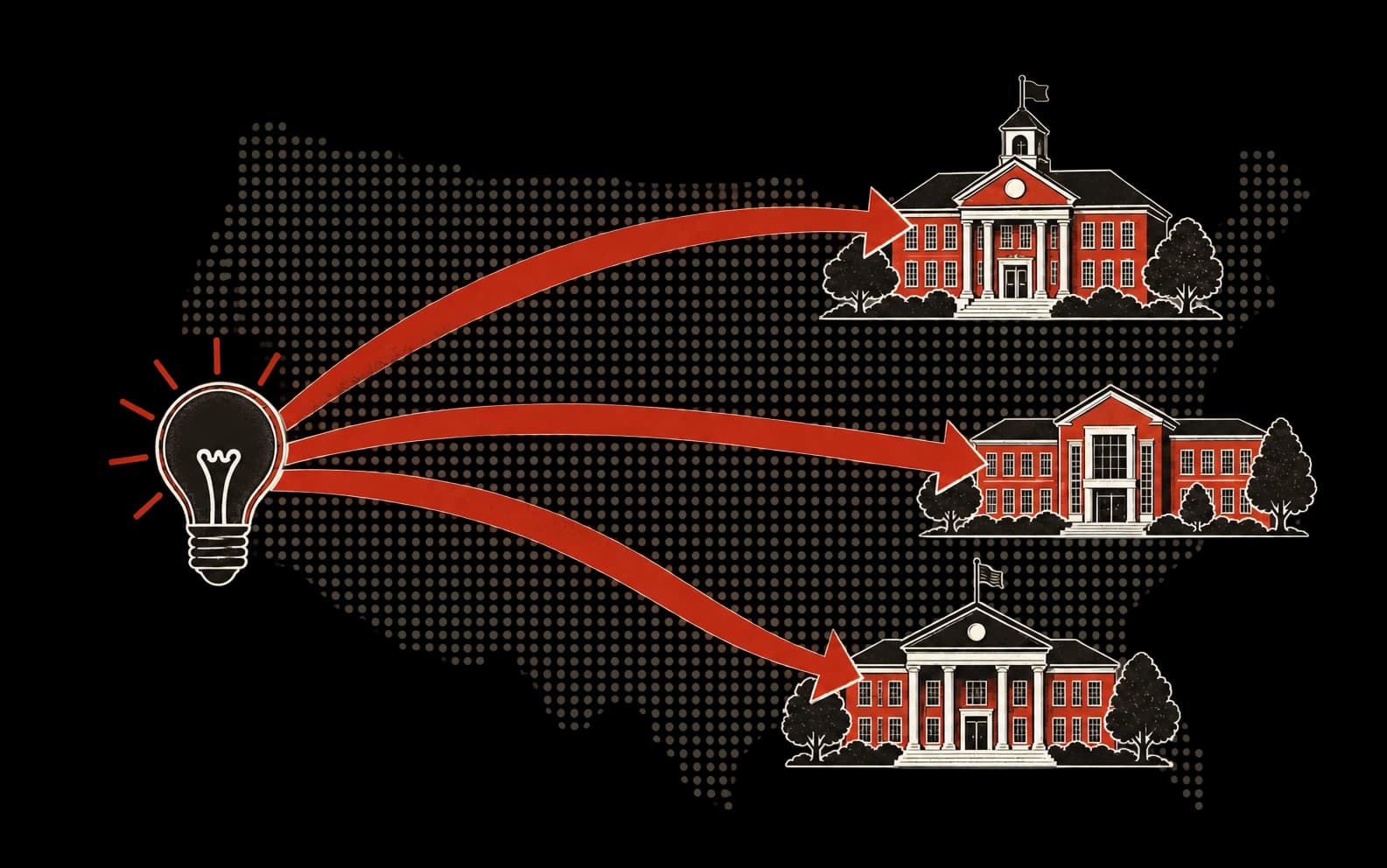
Every K-12 deal starts with a trigger. A board votes on a new policy. A state passes legislation with a compliance deadline. A district wins a grant, loses a superintendent, publishes an RFP, or adopts a strategic plan that names your category. Something changes, and for a limited window, a district that wasn't a buyer becomes one.
The problem is not that these triggers are hidden. Most of them are public record. The problem is that they surface in places nobody is watching — a board agenda PDF on a district subdomain, a line item in draft minutes, a local news story, a procurement portal that requires an account to browse. By the time a trigger reaches a CRM enrichment feed or a third-party aggregator, the window is half closed and three competitors got the same alert you did.
There are roughly 18,500 public school districts in the US and over 100,000 schools. No sales team can watch all of them. Most teams don't even try — they work static lists and find out about the trigger during discovery, when the prospect mentions the board vote that happened four months ago.
Opportunities monitoring is Bellwork's answer to this. It's the flagship capability of our Enterprise plan, and this post explains exactly what it is, what it produces, and why it's an infrastructure problem rather than a research problem.
What Opportunities Monitoring Actually Is
Bellwork continuously crawls the K-12 web: district and school websites, board meeting agendas and minutes, local news coverage, procurement portals, and the other public sources where district decisions leave a paper trail. All of it flows into one large structured database — the same database that powers Bellwork's search and research tools.
On top of that corpus, trigger detection watches for the events that open buying windows: policy votes, board agenda items, leadership transitions, funding awards, legislation, RFP releases — the full family of K-12 buying signals, detected as they appear at the source rather than weeks later through an aggregator.
Here's the part that makes it different from a news alert: triggers are matched against your company. During onboarding we build a profile of what you sell, which product category you compete in, and what your ideal district looks like — size, state, urbanicity, existing vendor stack, whatever defines your footprint. Trigger detection runs against that profile. A bell-to-bell phone policy vote is noise to a math curriculum vendor and a five-alarm fire to a phone storage vendor. The same event produces different opportunities — or no opportunity at all — depending on who's asking.
Generic alerts make you do the matching. Opportunities monitoring does the matching first and only surfaces what's yours.
The Output Is an Opportunity, Not a Link
Most monitoring tools deliver a URL and wish you luck. The unit of output in Bellwork is a constructed opportunity — a bespoke document built for your company, not a pointer to a source. Each one contains:
- What happened, with dated citations to the underlying sources — the agenda item, the minutes, the news story, the award notice. You can verify every claim.
- Why now — the reasoning that connects the trigger to your product. Not "this district was in the news," but "this vote creates a specific need in your category on a specific timeline, and here's the evidence."
- Who to talk to — named contacts with roles, and a note on why each person owns a piece of this decision. K-12 budget authority is distributed, and the right first call is rarely the most senior name on the org chart.
- A suggested action — the outreach angle that fits the moment, because a district three weeks from a board vote and a district three days past one need different messages.
Every opportunity is confidence-scored, so you can triage the strong ones first, and deduplicated, so the same event covered by an agenda, the minutes, and two local news stories arrives as one opportunity instead of four alerts. Delivery runs on your cadence, wherever your team works: email digest, Slack channel, pushed into your CRM, or pulled through the API.
A Worked Example
Say you sell phone storage — magnetic pouches and locking cabinets for classroom phone bans. Bell-to-bell phone restrictions have been sweeping through state legislatures and school boards, and every adoption vote is a potential deal. Here's what an opportunity might look like when one fires. (This is an illustrative example, not a real district.)
Opportunity: Riverbend USD — bell-to-bell phone ban approved, storage method undecided Confidence: High · 3 sources · detected 1 day after the vote
What happened: On July 14, the Riverbend USD board voted 6–1 to adopt a bell-to-bell personal device ban effective the first day of school in August. The approved policy language (board minutes, 7/14) requires phones to be "secured and inaccessible during instructional hours" but explicitly leaves the storage method — pouches versus classroom lockers — to administration, with a recommendation due at the August 4 work session. The adopted FY27 budget includes a $180,000 "device management implementation" line.
Why now: The district has committed budget and a hard deadline but has not chosen a solution. The pouches-versus-lockers question is open for roughly three weeks. Vendors who reach the administration before the August 4 work session are shaping the recommendation; vendors who reach out after are responding to it.
Who to talk to:
- Superintendent — publicly championed the ban and owns the board's timeline. Cares about a clean August rollout and something defensible to present on August 4. Lead with implementation speed and what comparable districts chose.
- Director of Facilities & Operations — named in the minutes as responsible for the storage recommendation. Cares about installation logistics, durability, and per-classroom cost. Lead with specs, total cost against the $180K line, and deployment timeline.
Suggested action: Contact the facilities director this week with a one-page pouches-vs-lockers comparison scoped to the district's enrollment; offer to present at or before the August 4 work session.
Notice what the opportunity did. It didn't just tell you a ban passed — bans pass every week. It told you this district has money attached, an open decision in your exact category, a three-week window, and two stakeholders who need different pitches. That's the difference between a signal and an opportunity: one tells you something happened, the other tells you what to do about it.
Why You Can't DIY This With an AI Assistant
A fair question in 2026: why not point a general-purpose AI agent at this? Give Claude or ChatGPT a district name and it will produce a genuinely good research brief — board activity, leadership, recent news, plausible contacts.
The catch is the word one. An AI assistant can research one district well, on demand, when you already know to ask. It cannot watch 18,500 districts every day, because that was never a prompting problem. It's a data-infrastructure problem:
- Crawl scale. Districts publish across thousands of independently built websites, agenda platforms, and portals. Reaching all of them continuously is a crawling operation, not a chat session.
- Change detection. The signal isn't the page — it's the change in the page. Knowing that an agenda gained a new line item requires having crawled it before and diffing against what you saw.
- Entity resolution. "Riverbend USD," "Riverbend Unified," and "RUSD" in a news story are the same district. Connecting a news mention, a board vote, and a contact record to one entity is unglamorous and essential.
- Deduplication. One board vote generates an agenda, minutes, and local coverage. Without dedup, monitoring at scale produces an inbox nobody reads.
This is why Bellwork is built as a data layer first. The crawling, change detection, entity resolution, and dedup run continuously underneath; AI operates on top of that foundation to construct and reason about opportunities. The intelligence is only as good as the corpus it stands on — so we built the corpus.
Where It Fits in Bellwork
Everything above runs on the same database that powers the rest of Bellwork. On self-serve plans, you search districts and schools, unlock contacts, and run research on demand — you bring the question, Bellwork answers it. Opportunities monitoring inverts that: Bellwork watches the entire market and brings you the question, already matched to your company and ready to work.
It's part of the Enterprise plan because it's scoped to you: your target districts, custom research fields on top of the standard ones, and a delivery cadence and channel mix that fits how your team already operates. Timing matters here too — an opportunity that fires in May means something different than one that fires in September, and the monitoring is tuned to the K-12 procurement calendar your buyers actually run on.
If your pipeline depends on catching districts when the window opens — not a quarter after — this is the machine that does the watching.