The K-12 Procurement Calendar: When School Districts Actually Buy
School districts buy on a predictable schedule most EdTech sellers have never mapped. Here's the full procurement calendar, month by month, so you can reach districts when budget is moving.
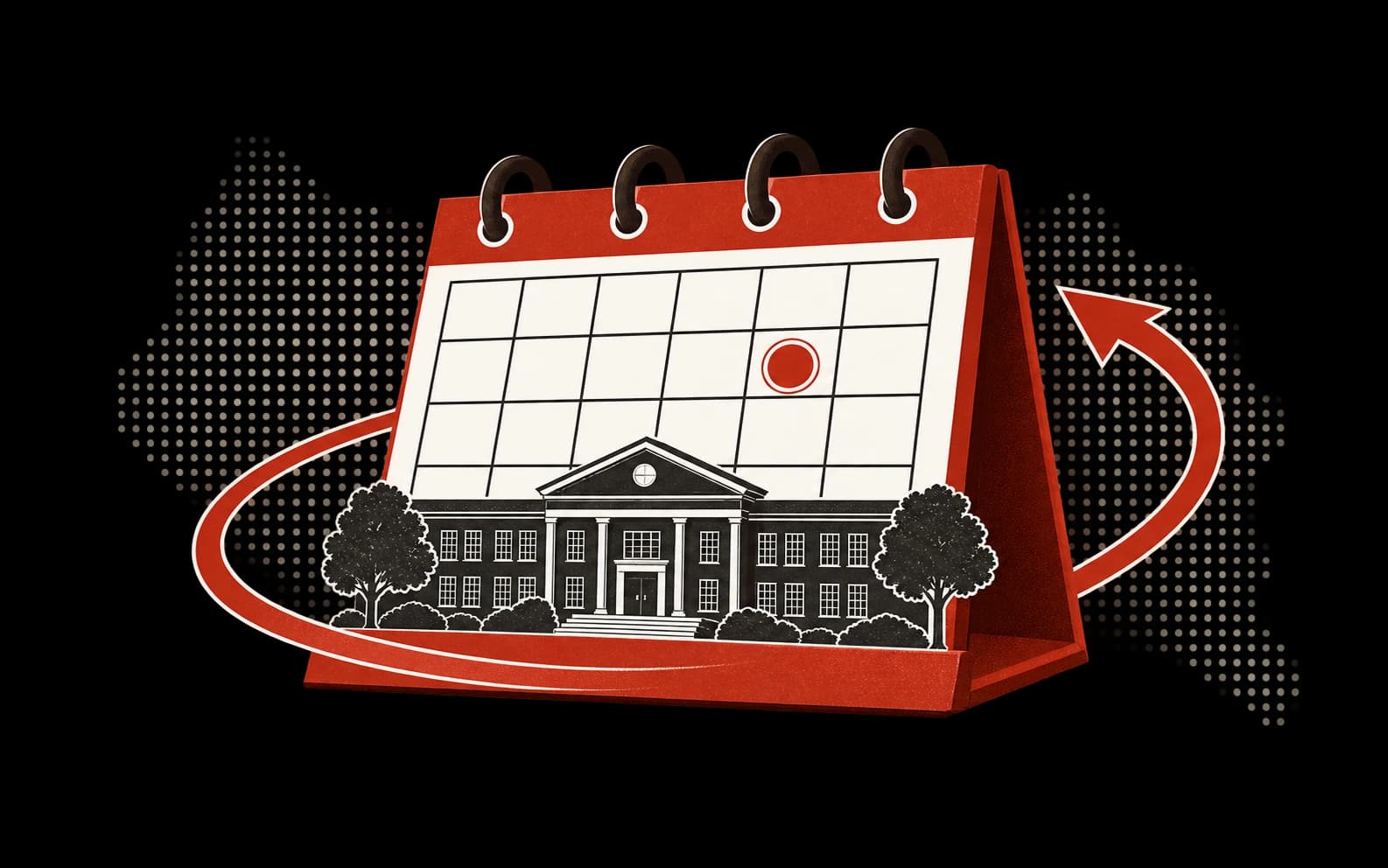
K-12 selling feels unpredictable until you understand the calendar. Then it becomes almost mechanical.
Districts operate on a fiscal year that runs July 1 through June 30 in most states. Every phase of that year, budget moves in predictable ways: funds get approved, initiatives get kicked off, RFPs get released, purchase orders get rushed through before fiscal close. The sellers who know this calendar reach districts at the right moment. The ones who don't spend most of the year knocking on doors that aren't open.
Here's the full picture, month by month.
July – September: The Window Opens
July 1 is the most important date in K-12 sales and almost no one outside of education knows it.
On July 1, a new fiscal year begins. Districts that approved their budgets in spring now have funded line items for technology, curriculum, and professional development. New superintendents hired over the summer are 60 days into their tenure and still in "make your mark" mode. New teachers have just been hired and are getting acclimated before school starts.
This is the highest-leverage prospecting window of the year. Budget exists. Decision-makers have bandwidth. No one is in crisis mode yet. Conversations started in July and August tend to have the most runway for a proper evaluation, which means better decisions and higher close rates.
Districts on a Title IV-A annual cycle often have their first spending window open in August. E-Rate Category 2 funded projects typically begin deployment in this window as well.
What to do in this window: reach out to districts you've been warming up, start evaluations, book discovery calls. If you're cold prospecting, July and August are the best months to break through.
October – November: Needs Assessment Season
By October, school is in session and districts are running their fall assessments. This is when curriculum coordinators and instructional coaches figure out what's working and what isn't, which creates demand for solutions heading into winter.
It's also when technology departments start reviewing what they've deployed, what their utilization looks like, and what they need to add or replace before the year ends. A CTO doing a tech audit in October is a warm signal two to three months before they're ready to buy.
Board meetings in October and November often include technology committee reports. Reading those agendas and minutes reveals which districts are actively evaluating new tools.
What to do in this window: focus on pipeline development. Get in front of the evaluation conversations that are starting now. If you're not in consideration by November, you're probably not going to win a January-February decision.
December – January: RFP Season
If you've been watching K-12 procurement, you've noticed that RFPs cluster heavily in December and January. This is by design.
Districts that need to complete a procurement cycle and have a solution in place before the following school year need to start their RFP process about six months in advance. A district that wants to deploy something in August needs to release an RFP in January, evaluate vendors in February and March, and sign a contract by April or May.
A few specific things tend to happen in this window. Districts that received grants in fall often trigger procurement processes in December. E-Rate applications open in January, which creates urgency around anything that could be E-Rate funded. Districts with December board meeting cycles often approve procurement plans that launch in January.
The challenge with RFPs is that by the time they're public, the evaluation criteria are often already shaped. The vendors who influence the RFP spec are the ones who were in the conversation months earlier. That's the real reason to start selling in July.
What to do in this window: respond to active RFPs you're positioned for. More importantly, use RFP activity as a signal for which districts are in active procurement, then reach out about what comes next.
February – March: Decision Season
February and March are when procurement decisions made in December and January actually close. Evaluations wrap up, references get called, contracts get negotiated.
This is a high-stakes period for anyone already in a sales cycle. It's a low-leverage period for cold outreach because decisions are effectively made. The sellers who are active here either started the relationship six months ago or got lucky with an inbound.
Board meetings in February and March often include contract approval agenda items. Watching those for your category can tell you which districts just committed to a competitor and which ones approved a budget amendment that opens a new opportunity.
What to do in this window: close what's in the pipeline. Don't try to start new evaluations that need to close by April.
April – May: Contract and Planning Season
April and May are when the year starts to wind down in a specific way. Existing vendor contracts come up for renewal. New fiscal year budgets get drafted. Districts planning for next year's technology needs start having internal conversations.
This is a strong window for renewal conversations and expansion into accounts you're already in. It's also a good time to plant seeds with districts that aren't buyers yet but have a new budget cycle starting in two months.
Title I, Title IV, and ESSER carryover funds often have commitment deadlines in May. A district sitting on unobligated Title I money in April is a buyer with a deadline.
What to do in this window: protect renewals. Look for expansion signals in current accounts. Identify which prospects have May commitment deadlines.
June: The PO Rush
June is chaotic. Districts racing to spend committed funds before June 30 will issue purchase orders on timelines that seem impossible for anyone who hasn't seen it before.
A district that received board approval for a technology purchase in April might not get a PO to the vendor until June 15 with a June 28 delivery requirement. This sounds insane, but it happens constantly. Districts that have budget they have to spend and a fiscal year ending in two weeks move fast.
This creates a real opportunity for vendors who are already in good standing with procurement teams: you can sometimes close deals in June that would have taken months otherwise, because the urgency is institutional, not just personal.
It's also worth knowing what happens if a district doesn't spend the money: it lapses. Unobligated funds don't roll over in most cases. That creates genuine urgency that isn't manufactured.
What to do in this window: be responsive. If you have warm prospects who haven't moved, June is the time to ask directly whether there's a fiscal year deadline driving their timeline.
The Exceptions Worth Knowing
A few things cut against this general calendar.
Multi-year grants change the timing. A district that received a three-year federal grant is on the grant's timeline, not the fiscal year calendar. ESSER (Elementary and Secondary School Emergency Relief) created a generation of off-calendar procurement cycles that are still playing out in 2026.
Charter schools often operate on different fiscal years. Roughly a third of charter schools have fiscal years that don't match the July–June calendar. A charter in California might close December 31. Don't assume.
Emergency procurement bypasses the calendar entirely. A district whose LMS goes down in October doesn't wait for RFP season. Cybersecurity incidents, data breaches, and hardware failures create immediate procurement needs that the calendar doesn't explain.
State and federal funding cycles add layers. E-Rate, Title IV-A, Title I, and state-specific grants all have their own application and commitment windows that overlay on the fiscal year calendar. A district navigating E-Rate Category 2 is on a different schedule than one spending general fund money.
Using the Calendar
The procurement calendar is a tool for prioritization, not prediction. Knowing that July is a strong window doesn't mean every district is ready to buy in July. What it means is that your outreach in July is reaching people who have budget, bandwidth, and motivation to start evaluations.
The real leverage comes from combining the calendar with district-specific signals: which districts just hired a new superintendent, which ones recently adopted an AI policy, which ones are in the first year of a new strategic plan. The calendar tells you when the window is open. Signals tell you which districts are actually in it.
Bellwork tracks the K-12 procurement calendar at the district level, including leadership transitions, AI policy adoption, RFP activity, and budget cycle timing across 123,000 schools and districts. Start building your pipeline at Bellwork.